
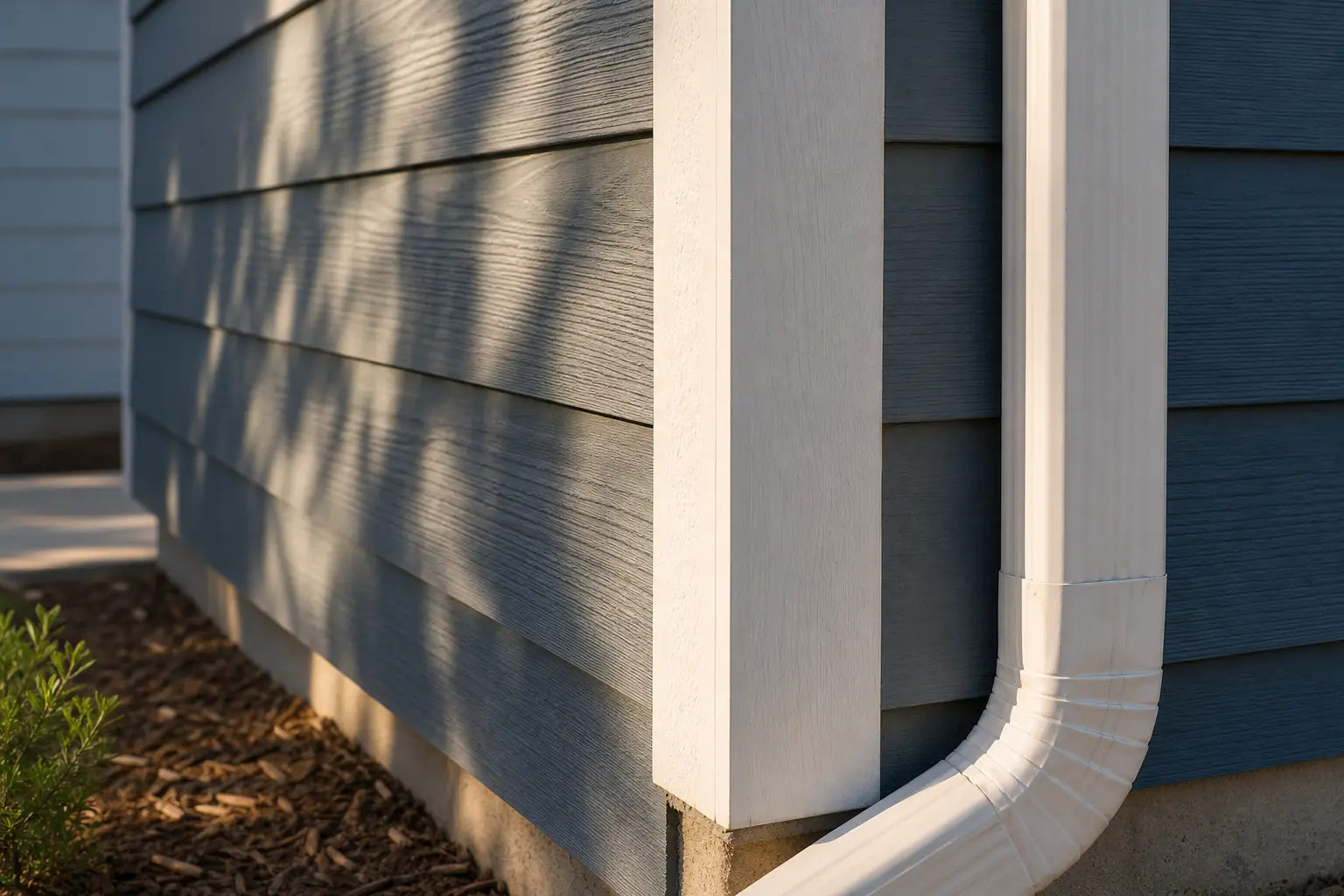
Exterior finishes
Siding contractor in Brentwood, CA
Siding, trim, stucco and exterior paint, done with the prep and moisture details that decide how long an exterior lasts.
What exterior finishes cover
Exterior finishes are the outer layers of the house that shed water, take sun and wind, and set how the home looks from the street. That includes siding, stucco and exterior plaster, trim and molding, fascia and soffit, window and door casings, and exterior paint. If you are searching for a siding contractor in Brentwood, CA, the useful question is not only which material to pick. It is how the wall is built under it.
N. Abeyta Remodels is a licensed and insured remodeler based in Brentwood. We handle siding and exterior finish work as part of the same team that does interior remodeling, so the outside and inside of a project are planned together.
Why the wall behind the siding matters most
Siding is not what keeps the house dry. It is the first layer, and a good one, but the real protection is the system behind it: a water-resistant barrier over the sheathing, with flashing at every opening and transition. Siding sheds most of the water. The barrier and flashing handle what gets past.
When this system is skipped or installed poorly, the damage is slow and hidden. Water sits against the sheathing and framing, and the first sign is often paint failing, boards swelling or a soft spot near a window. By then the repair is bigger than a siding job.
- Water-resistant barrierLapped from the bottom up, so water runs down and out instead of behind the layer below.
- FlashingMetal or membrane at windows, doors, rooflines, decks and the base of the wall. This is where most leaks start.
- Drainage and clearanceSiding should not sit against soil, concrete or a roof surface where water collects.
- FasteningSiding is nailed the way the manufacturer specifies, so it can expand and contract without buckling.
Choosing a siding material
No material is best for every house. The decision comes down to how it handles heat and moisture, how it is installed, what upkeep it needs and how it suits the home.
- VinylLow upkeep and a factory color. It moves with temperature, so it has to be fastened loosely enough to expand.
- Fiber cementA dense, paintable board. It is heavy, needs careful cutting and handling, and its edges and cuts need to be sealed.
- WoodA classic look that can be repaired in small sections. It needs a sound paint or stain system and regular attention to stay protected.
- Stucco and plasterA continuous finish applied in layers. Cracks, joints and the base of the wall need correct detailing to keep moisture out.
We help you compare these for your house and tell you plainly what each one asks of you after installation.
Trim, fascia and soffit
Trim looks like decoration, but it protects the edges where water most likely gets in. Window casings, corner boards, fascia along the roofline and soffit under the eaves all cover joints. Replacing siding without addressing worn trim leaves the weakest areas exposed. We inspect these while the work is open and replace rotted or split pieces rather than painting over them, because paint on wet or decayed wood fails quickly.
Paint, primer and compatibility
Exterior paint is a system, not just a color. Some siding arrives primed, some factory finished, some bare. Caulk, primer and paint need to be compatible with each other and with the surface under them. Caulking a joint that should stay open, or painting over a surface that was not cleaned and sanded, causes peeling, cracking and trapped moisture. We plan the finish when we plan the siding so every layer suits the one beneath it. For paint on its own, see our painting services.
How the work is sequenced
- Inspect and scope. We look at the walls, trim, rooflines and openings, and note damage you can and cannot see from the ground.
- Remove and open up. Failed siding and trim are taken off. We check the barrier, sheathing and framing, and repair what is damaged.
- Flash and weatherproof. The barrier is repaired or replaced, and flashing is set at openings before any siding goes up.
- Install siding or apply stucco. Material goes on to the manufacturer's instructions, working from the bottom up.
- Trim, fascia and soffit. Edges and joints are finished and sealed where they should be.
- Prime, caulk and paint. The finish goes on in the right order, then we walk the house with you.
What affects cost and schedule
Cost depends on the material, the size and height of the walls, how many openings and details there are, and how much hidden damage is found. A wall with water damage behind it costs more than one that is sound. Schedule also depends on weather, because most exterior materials and coatings should not be applied wet. We would rather explain that than promise a date before the walls are opened.
Permits and the rest of the exterior
Whether siding work needs a permit depends on the scope. Rules vary by city, so we confirm them for your address. Siding often connects to other work: window and door replacement, roofing and fencing. Coordinating them avoids opening the same wall twice. Our remodeling page shows how these fit together.
Where we work
We handle exterior finish work in Brentwood and nearby towns, including Brentwood, Oakley, Antioch and Discovery Bay.
Siding and exterior finish questions
What siding materials do you work with?
We install and repair vinyl, fiber cement and wood siding, and we also do stucco and exterior plaster finishes, trim, fascia and soffit. We help you compare them by how they install, how they handle moisture and how much upkeep they need.
Can you repair part of my siding instead of replacing it all?
Often yes. Localized damage can be repaired when the surrounding siding is sound. Matching old material and paint can be the harder part, so we look at it in person before recommending repair or replacement.
Why do you check the wall behind the siding?
Siding is the outer layer. Water that gets past it damages the sheathing and framing behind, and you cannot see that from outside. Removing damaged sections lets us check and fix the wall before new siding covers it.
Do siding and exterior paint have to be planned together?
Yes. Some materials come primed or factory finished, others need paint, and trim and caulk have to match the paint system. Planning them together avoids peeling and joints that crack.
Do I need a permit to replace siding?
It depends on the scope and the city. Replacing siding in kind often differs from work that changes walls, windows or structure. We confirm what applies to your address before starting.
What areas do you serve?
Brentwood, Oakley, Antioch, Concord, Pleasant Hill, Walnut Creek, Alamo, Danville, San Ramon, Pleasanton, Livermore, Tracy and Discovery Bay.
Ready to update your exterior?
Free estimates for homeowners in Brentwood and the East Bay.