
Table of Contents
- Average Cost for Small Bathroom Remodel: What to Expect
- Cost Breakdown by Project Scope
- Cost of Labor vs. Materials for Bathroom Remodel
- Bathroom Remodel Ideas for Small Spaces and Their Costs
- Small Bathroom Renovation Timeline and Cost Impact
- Hidden Costs and Contingency Planning
- ROI and Resale Value of Small Bathroom Remodels
- Budget-Friendly Remodeling Tips Without Sacrificing Quality
Last Updated: August 25, 2026
Average Cost for Small Bathroom Remodel: What to Expect
Planning a small bathroom renovation requires understanding the true costs before you start. The average cost varies dramatically based on scope, materials, and labor rates, but most homeowners can expect anywhere from modest cosmetic updates to substantial full renovations. At N. Abeyta Remodels, we’ve worked with homeowners, and the difference between a budget-friendly refresh and a comprehensive overhaul comes down to understanding where your money actually goes.
Most homeowners struggle to figure out what they can realistically afford and what they’ll get for their investment. This guide breaks down the real numbers behind bathroom remodeling, walks you through cost scenarios for different project types, and shows you where you can save without sacrificing quality.
Cost Breakdown by Project Scope
Cosmetic Refresh vs. Full Renovation
A cosmetic refresh targets surface-level improvements: new paint, updated fixtures like faucets and lighting, refinished or replaced vanity, and new hardware or mirrors. This keeps the existing plumbing rough-in and layout intact, which is where the real savings come from.
A full renovation involves gutting the space: replacing subfloor, drywall, plumbing lines, waterproofing, flooring, tile work, and fixtures. Layout changes are common, which means relocating the vanity, moving plumbing, or reconfiguring the shower enclosure. This is where costs escalate rapidly because you’re paying for labor-intensive demolition, rough-in plumbing, and structural changes.
Choose a cosmetic refresh if your plumbing is solid and you want the space to feel updated. Choose a full renovation if you have water damage, outdated layout, or structural issues.
Half-Bath vs. Full-Bath Pricing
A half-bath (toilet and sink) costs significantly less to remodel than a full-bath (toilet, sink, and shower or tub) because you’re eliminating the most expensive element: the shower or tub area and its associated plumbing, waterproofing, and tile work.
A full-bath renovation includes all the complexity of a half-bath plus the shower or tub area, which introduces tile work, waterproofing, plumbing rough-in for multiple drain lines, and fixture installation costs. The shower enclosure alone represents a substantial portion of material and labor costs.
Small bathrooms (under 40 square feet) sometimes cost more per square foot than larger bathrooms because there’s less efficiency in layout and more complexity in fitting fixtures into tight spaces.
Cost of Labor vs. Materials for Bathroom Remodel
Labor typically accounts for 40-60% of a bathroom renovation budget, depending on project complexity. Simple cosmetic work skews toward materials; complex demolition and structural changes skew toward labor.
Materials include fixtures (vanity, faucet, toilet, lighting), tile, grout, flooring, paint, drywall, waterproofing membrane, caulking, and hardware. For a full renovation, material costs can be substantial because you’re replacing nearly every surface and system.
Labor costs don’t scale down linearly with a smaller bathroom. A plumber still needs to rough-in plumbing whether the bathroom is 30 square feet or 60 square feet. This is why small bathrooms sometimes cost more per square foot than larger ones.
The material markup, the percentage contractors add to material costs, typically ranges from 20-30%. This covers ordering, inventory management, waste handling, and contractor overhead.
Craftsman Book Company’s 2026 National Renovation & Insurance Repair Estimator provides detailed breakdowns of labor hours and material costs for specific bathroom tasks.
Bathroom Remodel Ideas for Small Spaces and Their Costs
Small bathrooms demand smart design choices because every decision affects both functionality and cost.
A wall-mounted vanity saves floor space and creates the illusion of a larger bathroom. It costs slightly more to install because it requires stronger wall framing and plumbing that runs through the wall, but the visual and functional benefits are significant.
Frameless glass shower enclosures cost more than traditional shower curtains or framed enclosures, but they make small bathrooms feel larger and more open. For budget-conscious renovations, a quality prefab shower surround delivers the same functionality at lower cost than custom tile.
Lighting in small bathrooms is one of the highest-impact improvements you can make. Recessed lighting, a well-positioned vanity light, and a skylight (if feasible) transform a dim space into one that feels bright and open. Lighting upgrades are relatively affordable compared to other bathroom elements.
Tile selection shapes both cost and visual impact. Large-format tiles require fewer grout lines, which makes the space feel larger and reduces maintenance. For small bathrooms, the visual and practical benefits of larger tiles often justify the modest material cost difference.
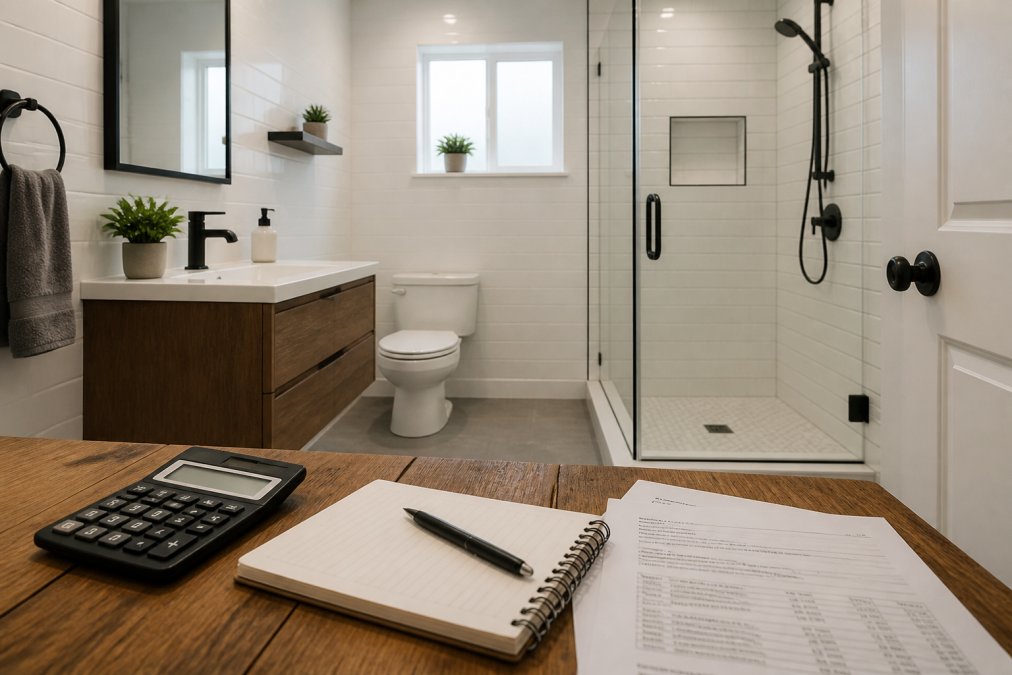
A ventilation upgrade, moving from an undersized exhaust fan to a properly sized one, prevents moisture damage and mold, extending the life of your renovation.
Small Bathroom Renovation Timeline and Cost Impact
Renovation timelines typically range from 2-4 weeks for a cosmetic refresh to 4-8 weeks for a full renovation of a small bathroom. Supply chain delays, particularly for custom fixtures or specialty tile, can extend timelines significantly.
When a project stretches longer than planned, labor costs increase. Delays also increase the likelihood of change orders, which typically add 15-25% to the cost of affected work.
Scheduling flexibility saves money. If you allow your contractor flexibility rather than demanding specific start and end dates, they can optimize workflow and reduce labor hours.
Seasonal variation affects material availability and contractor rates. Spring and summer are peak seasons with higher contractor rates and longer wait times. Fall and winter typically offer more flexibility and lower costs.
Hidden Costs and Contingency Planning
Permits and inspections are mandatory in most jurisdictions and typically cost 5-10% of the project budget. A licensed contractor like N. Abeyta Remodels handles permit acquisition as part of project management, ensuring compliance and protecting you from liability.
Structural surprises emerge during demolition. Hidden water damage, mold, rot, or outdated framing can force scope changes mid-project. Setting aside 10-15% of your budget as a contingency fund for these discoveries is standard practice.
Removal and disposal costs for old vanity, fixtures, tile, and debris add up quickly. A professional contractor includes this in their estimate.
Lead paint testing and remediation, if your home was built before 1978, adds cost and complexity if needed.
Waterproofing behind tile is critical in wet areas but invisible in the final product. Proper waterproofing membrane installation prevents costly water damage later.
Caulking and grout sealing are finishing touches that extend the life of your renovation and prevent water infiltration.
ROI and Resale Value of Small Bathroom Remodels
A cosmetic refresh typically returns 50-70% of its cost at resale. You’re improving visual appeal and functionality without major structural changes, making cosmetic refreshes excellent for homeowners planning to sell within 5-10 years.
A full small bathroom renovation typically returns 60-80% of its cost at resale. The higher return reflects the durability and functionality of a complete update. Buyers value a newly renovated bathroom because it eliminates uncertainty and future repair costs.
The materials you choose affect both upfront cost and resale value. Mid-range materials (quality ceramic tile, standard fixtures) offer better ROI because they’re durable, attractive, and reasonably priced.
Location matters significantly. A small bathroom remodel delivers stronger ROI in competitive real estate markets where buyers expect updated bathrooms.
Sustainability and eco-friendly materials are increasingly valued by homebuyers. Water-efficient fixtures, low-VOC paint, and sustainable flooring options cost slightly more but appeal to environmentally conscious buyers. EPA WaterSense program guidelines identify fixtures that use 20% less water than standard models without sacrificing performance.
Budget-Friendly Remodeling Tips Without Sacrificing Quality
Prioritize visible elements. Spend more on fixtures, finishes, and details that people see and touch: the vanity, faucet, lighting, tile, and flooring. Spend less on behind-the-wall infrastructure that doesn’t affect the visual or functional experience.
Choose mid-range materials over budget options. The cost difference between budget and mid-range tile, fixtures, and finishes is often smaller than expected, but the durability and appearance difference is substantial.
Refinish rather than replace when possible. If your vanity is solid wood, refinishing costs far less than replacement and delivers excellent results.
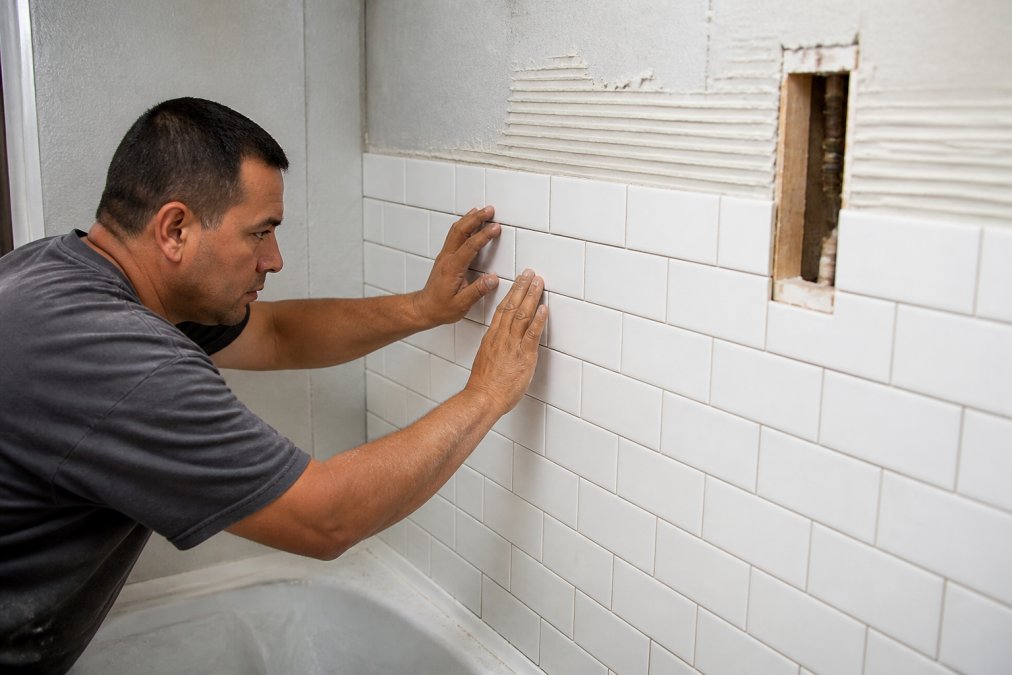
Simplify the layout. Keeping plumbing lines where they are saves thousands in labor and materials. A layout change that moves the toilet or sink requires new rough-in plumbing, which is expensive.
DIY the finishing touches. If you’re handy, you can paint, caulk, and install hardware yourself after the contractor finishes structural and plumbing work. Don’t DIY plumbing, electrical, or tile work unless you have genuine expertise.
Buy fixtures directly rather than through the contractor’s supplier. Contractors typically mark up fixture costs 20-30%. Purchasing your own fixtures can save money, though you’re responsible for ensuring compatibility and managing delivery.
Compare contractor quotes carefully. Get three detailed estimates that break down labor, materials, and overhead separately. The lowest quote isn’t always the best value if it cuts corners on quality.
Plan for phased work if budget is extremely tight. Complete the most critical updates first (plumbing, waterproofing, structural work) and defer cosmetic upgrades to later.
A small bathroom remodel is one of the highest-ROI home improvements you can make, but success depends on understanding your true costs and making strategic choices about where to invest. Whether you’re planning a cosmetic refresh or a complete renovation, having a clear picture of labor costs, material expenses, and hidden contingencies helps you avoid budget surprises. N. Abeyta Remodels specializes in small bathroom renovations that deliver quality results without compromises. Our licensed and insured team manages every detail from permits through final inspection, ensuring your project stays on schedule and within budget. Better Business Bureau guidance on hiring contractors recommends checking contractor licensing and insurance before signing any agreement. Ready to move forward? Get a free estimate and let’s discuss what’s realistic for your space and your budget.
=== FAQ ANSWERS (audit these too, same rules) ===
Frequently Asked Questions
What is a reasonable budget for a small bathroom remodel?
A reasonable budget for a small bathroom remodel depends on your project scope. A cosmetic refresh with updated fixtures and fresh tile work typically costs less than a full renovation involving plumbing rough-in changes and layout modifications. Most homeowners allocate 10-20% contingency funds for unexpected costs. For accurate pricing tailored to your specific needs, contact N. Abeyta Remodels for a free estimate.
How much should I set aside for unexpected costs in a bathroom remodel?
Industry best practice recommends setting aside 10-20% of your total project budget as a contingency fund. For a small bathroom remodel, this covers unforeseen expenses like hidden water damage discovered during demolition, subfloor repairs, or permit requirements. Working with a licensed and insured contractor like N. Abeyta Remodels helps minimize surprises through thorough pre-project assessment and transparent communication about potential hidden costs.
What does a $10,000 bathroom remodel look like?
A $10,000 budget for a small bathroom remodel typically covers mid-range fixtures, new tile flooring and walls, vanity installation, updated lighting and ventilation, and professional labor. This range allows for quality materials without premium finishes. The actual scope depends on whether you're doing a cosmetic refresh or partial structural changes. For specific details on what your $10,000 can accomplish, N. Abeyta Remodels can provide a detailed breakdown during your free estimate consultation.
What is the average labor cost for a 5×8 bathroom remodel?
Labor costs for a 5×8 bathroom remodel vary based on project complexity, local market rates, and the scope of work (demolition, plumbing rough-in, tile work, fixture installation). Typically, labor represents 40-60% of the total project cost. Factors affecting labor include waterproofing requirements, caulking and grout work, and the extent of drywall replacement. For accurate labor cost estimates specific to your project, contact N. Abeyta Remodels to discuss your bathroom dimensions and renovation goals.
Can you redo a bathroom for $5,000?
A $5,000 budget for a small bathroom remodel is possible with careful planning and prioritization. This typically supports a cosmetic refresh: new fixtures, basic tile updates, and vanity replacement without major plumbing or layout changes. Material markup and contractor fees will consume a significant portion. To maximize your $5,000 budget, focus on high-impact, budget-friendly updates. N. Abeyta Remodels can review your space and recommend cost-effective options during a free estimate consultation.
This article was written using GrandRanker