
Table of Contents
- What Drives Small Bathroom Renovation Costs
- Breaking Down Labor vs. Materials in Your Bathroom Renovation Cost
- Bathroom Remodel Ideas for Small Spaces and Their Price Impact
- Bathroom Renovation Timeline and Cost Implications
- Hidden Costs and Contingency Planning
- Hiring a Licensed Bathroom Contractor to Control Costs
- Return on Investment and Budget Recovery
Last Updated: August 29, 2026
What Drives Small Bathroom Renovation Costs
A small bathroom renovation cost estimate typically ranges based on scope, materials, and labor complexity. Understanding what influences your final price requires breaking down the major cost drivers: square footage, fixture choices, structural modifications, and labor rates.
The biggest misconception homeowners have is that bathroom size directly determines cost. It doesn’t. A 40-square-foot bathroom with high-end finishes and structural changes costs far more than a 60-square-foot space with budget-friendly updates. What actually drives your small bathroom renovation cost is the combination of three factors: what you’re replacing, how much structural work is required, and who’s doing the work.
Demolition costs vary dramatically based on what’s being removed. A simple vanity swap runs minimal. Removing old tile, addressing subfloor repair, and dealing with waterproofing issues adds complexity and expense. If your bathroom has outdated plumbing rough-in that needs relocation, that structural change becomes one of your largest line items. Layout modification, moving where the toilet sits or repositioning the shower, requires new electrical wiring, ventilation upgrade considerations, and potentially new drywall installation.
Material selection shapes your budget significantly. Fixture replacement (faucet hardware, lighting fixtures, pedestal sink versus vanity) creates wide price variations. High-end finishes like custom tile work and grout and sealant applications cost more than standard options. A walk-in shower with premium tile differs dramatically from a basic tub-shower combo with standard finishes.
Breaking Down Labor vs. Materials in Your Bathroom Renovation Cost
Labor typically accounts for 40-60% of your total project budget, while materials make up the remainder (nahb.org). For a small bathroom renovation cost, this split matters because labor rates vary by contractor experience and local market conditions. Licensed and insured professionals charge more than unlicensed workers, but they carry insurance protection and accountability that protects your investment.
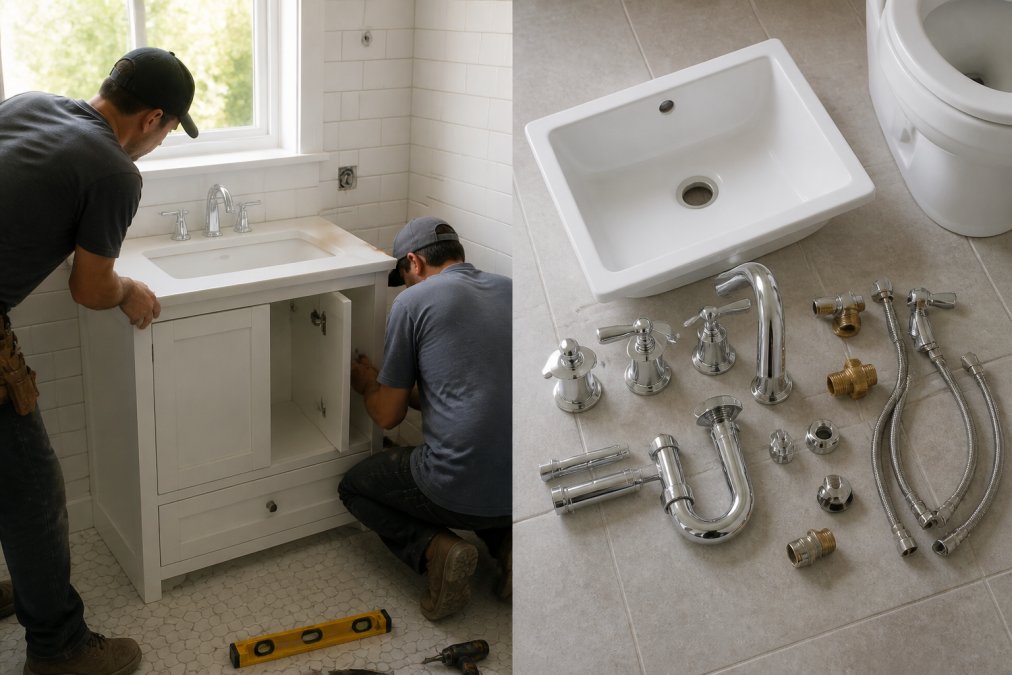
Material markup, what contractors add to material costs, typically ranges from 20-40% depending on the contractor’s overhead (aia.org). This isn’t hidden profit. It covers ordering, delivery, storage, waste management, and the contractor’s expertise in selecting appropriate materials. When you hire a subcontractor for specialized work like tile installation or plumbing rough-in, each brings their own labor rate and material markup.
The labor-to-material ratio shifts based on project complexity. A simple vanity installation skews toward labor. A full bathroom renovation with tile work, fixture replacement, drywall installation, and electrical wiring involves both significant labor hours and material costs. Waterproofing and grout and sealant work are labor-intensive tasks that require skilled professionals.
Contingency fund allocation, typically 10-20% of your total project budget, exists because unforeseen issues emerge during demolition (nahb.org). Hidden water damage in subfloor repair situations, outdated electrical wiring that needs replacement, or plumbing issues discovered mid-project require budget flexibility. Experienced contractors build these contingencies into estimates specifically to prevent the "scope creep" that derails bathroom renovation timelines and budgets.
Bathroom Remodel Ideas for Small Spaces and Their Price Impact
Different renovation approaches create vastly different cost profiles. A budget refresh, updating fixtures, paint, and hardware without structural changes, costs significantly less than a mid-range renovation with new tile work and vanity installation. A luxury renovation involving custom tile, high-end fixtures, and structural layout modification represents the highest investment tier.
Budget refresh projects focus on cosmetic updates. New lighting fixtures, faucet hardware replacement, fresh paint, and minor fixture swaps transform appearance without touching plumbing rough-in or electrical systems. These projects suit homeowners looking for immediate improvement at lower cost.
Mid-range renovations add material upgrades and some structural work. New vanity installation, tile work on walls or floors, updated lighting fixtures, and modest fixture replacement characterize this tier. A walk-in shower conversion or pedestal sink swap falls here. These projects typically involve some plumbing modifications but avoid major layout changes.
Luxury renovations incorporate high-end finishes, significant structural changes, and premium fixtures. Custom tile work, structural layout modification, new electrical wiring for updated lighting fixtures, and ventilation upgrade considerations define this category. These projects might include waterproofing enhancements, custom vanity design, and integrated smart home technology.
The price impact of each approach depends on square footage and existing conditions. A 40-square-foot bathroom with a budget refresh costs less than a 50-square-foot space undergoing mid-range renovation. But a 40-square-foot space requiring subfloor repair and plumbing rough-in relocation costs more than a larger bathroom needing only cosmetic updates.
Bathroom Renovation Timeline and Cost Implications
Project duration directly affects labor costs. A bathroom renovation timeline typically spans 3-6 weeks for mid-range projects, though complexity and square footage create variation. Longer timelines mean more labor hours, which increases your total cost.
Factors that extend timelines include structural changes requiring permits, subfloor repair discoveries, waterproofing complications, and material lead times. In 2026, supply chain delays for specialty fixtures and tile materials remain a consideration. Ordering materials early prevents timeline extension caused by waiting for items to arrive.
Permit requirements add time and cost. Many jurisdictions require permits for plumbing rough-in work, electrical wiring changes, and structural modifications. Permit fees vary by location, but the process itself, application, inspection, approval, adds 1-2 weeks to your timeline. N. Abeyta Remodels handles permit navigation as part of full-service project management, eliminating this coordination burden from homeowners.
Scheduling subcontractors creates another timeline variable. Plumbing specialists, electricians, and tile professionals work on their own schedules. Coordinating multiple trades requires careful planning to prevent delays. Licensed bathroom contractors manage this coordination, which is why their services cost more but deliver on-time completion.
Rush timelines increase costs. Expedited material orders, overtime labor, and priority subcontractor scheduling all carry premiums. A standard 4-week project compressed to 2 weeks costs significantly more. Understanding your timeline flexibility before beginning helps control costs.
Hidden Costs and Contingency Planning
Unexpected discoveries during demolition frequently increase project costs. Mold in walls, rot in subfloor, outdated electrical wiring that needs replacement, or plumbing issues discovered only after opening walls create legitimate cost additions. These aren’t contractor overages, they’re real structural problems that must be addressed.
Water damage in bathroom walls represents a common hidden cost. Older bathrooms with inadequate waterproofing develop moisture issues that only become visible during demolition. Addressing these requires subfloor repair, drywall installation, and potentially structural remediation. Budgeting 10-20% contingency fund specifically prevents these discoveries from derailing your project.
Permit fees and inspection costs often surprise homeowners. Beyond the permit application cost, inspectors charge for multiple site visits during plumbing rough-in, electrical wiring, and final inspection phases. These fees vary by jurisdiction but typically add several hundred dollars to your total project budget.
Disposal and waste management costs accumulate during demolition. Old fixtures, tile, drywall, and debris removal require professional handling. Contractors factor this into labor estimates, but understanding that disposal costs exist prevents sticker shock.
Material price fluctuations between estimate and purchase create another hidden variable. A small bathroom renovation cost estimate prepared in early 2026 might reflect different material prices by project start. Locking in material costs at estimate time protects against price increases.
Financing and payment schedule structures affect your total cost. Some contractors require deposits, progress payments, and final payment. Understanding these terms prevents cash flow surprises. Licensed and insured contractors typically have clear payment structures outlined in contracts.
Hiring a Licensed Bathroom Contractor to Control Costs
A licensed bathroom contractor provides accountability that protects your investment. Licensing requirements vary by state and municipality, but licensed professionals carry insurance, follow building codes, and maintain accountability for their work. This accountability prevents the cost overruns and quality issues that plague unlicensed contractor relationships.
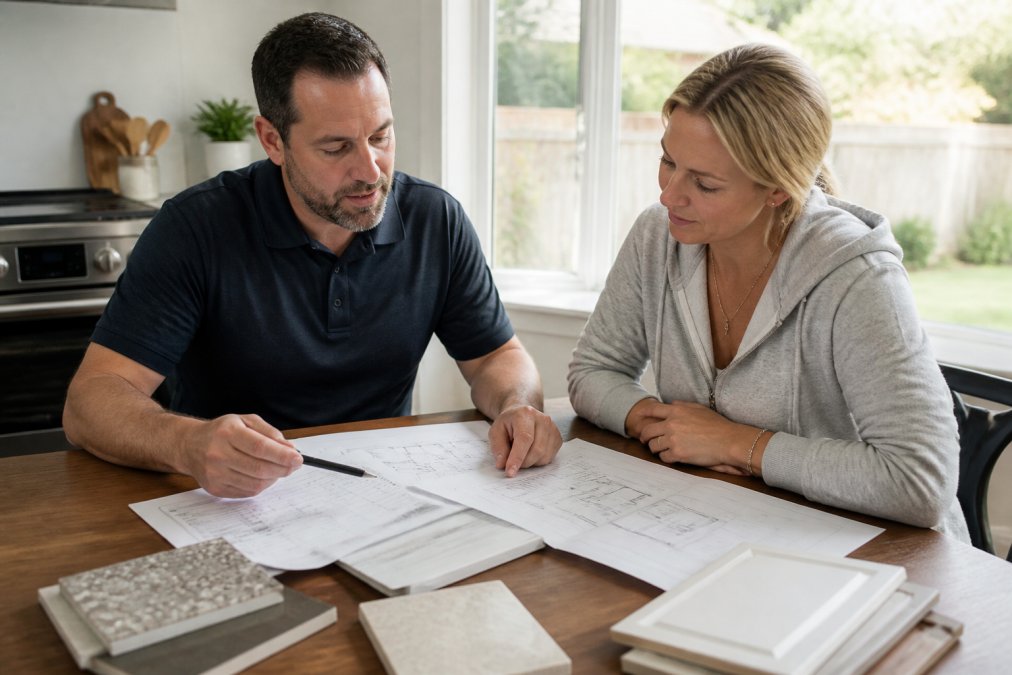
Contractor selection directly impacts your small bathroom renovation cost. Experienced professionals like N. Abeyta Remodels provide accurate estimates because they’ve completed hundreds of similar projects. They understand which issues commonly emerge, how long tasks actually take, and what materials truly cost. This experience translates to realistic budgets and fewer surprises.
Interview multiple contractors, but don’t choose solely on lowest price. A suspiciously low estimate often reflects inexperience, underestimation of work required, or cutting corners on quality. Contractors who provide detailed estimates breaking down labor, materials, and contingency demonstrate professionalism and transparency.
Clear communication prevents cost overages. Licensed contractors provide written contracts specifying scope, timeline, payment schedule, and what happens if changes occur. This clarity prevents the "scope creep" where projects expand beyond original agreement, inflating costs.
References and portfolio review reveal contractor reliability. Ask for recent bathroom renovation projects in your area. Photos and homeowner testimonials demonstrate quality and completion reliability. John Doe shared that N. Abeyta Remodels completely transformed our outdated kitchen into a modern, functional space. Sophia noted that we hired N. Abeyta Remodels for a full bathroom renovation and couldn’t be happier. These experiences reflect the professionalism that controls costs through efficient execution.
Insurance verification protects you from liability. Licensed and insured contractors carry workers’ compensation and liability coverage. If an injury occurs or property damage happens during work, the contractor’s insurance covers it, not your homeowner’s policy.
Warranty and guarantee terms matter for long-term cost protection. Reputable contractors guarantee their workmanship for a specified period. If issues emerge after completion, they address them without additional charges. This protection prevents future repair costs from poor initial work.
Return on Investment and Budget Recovery
Understanding return on investment helps contextualize your bathroom renovation cost. Not every renovation dollar returns directly through home sale value, but strategic upgrades improve daily living quality and home marketability.
Fixture replacement and updated lighting fixtures typically recover 50-70% of costs through increased home value. A modern vanity, new faucet hardware, and contemporary lighting appeal to buyers and justify higher asking prices.
Structural improvements like subfloor repair and waterproofing enhancements protect your home’s integrity, preventing expensive future damage. These investments recover value through avoided repair costs rather than direct sale price increases.
Full bathroom renovations involving layout modification and high-end finishes recover 60-80% of costs for mid-range markets. Luxury finishes recover lower percentages because fewer buyers value premium tile work and custom designs at premium prices.
Energy-efficient and water-saving fixture upgrades increasingly appeal to environmentally conscious buyers. Modern ventilation upgrades and LED lighting fixtures reduce utility costs, which appeals to value-conscious purchasers. Some jurisdictions offer rebates for water-saving fixtures, which reduce your net project cost while improving home efficiency.
Universal design and accessibility upgrades, grab bars, walk-in showers, accessible vanity heights, appeal to aging-in-place homeowners and increase marketability to a broader buyer pool. These modifications recover value through broader appeal rather than direct price premiums.
Smart home integration costs vary widely depending on complexity. Basic smart lighting and temperature control add modest cost but appeal to tech-savvy buyers. More sophisticated systems integrating bathroom ventilation, heated floors, and mirror displays command premium pricing but appeal to luxury market segments.
The real value of bathroom renovation extends beyond resale. Daily quality-of-life improvements, a functional layout, modern fixtures, reliable plumbing, justify investment regardless of recovery percentage. A bathroom that works well and looks contemporary improves your home experience every single day.
Your bathroom renovation journey doesn’t have to feel overwhelming. The complexity of managing labor, materials, permits, and timelines is precisely why homeowners choose licensed professionals. N. Abeyta Remodels brings decades of experience managing small bathroom renovation projects from initial estimate through final walkthrough. Our licensed and insured team handles every detail, from accurate cost estimation to permit coordination to quality assurance, ensuring your project stays on budget and on schedule. Ready to transform your small bathroom? Contact N. Abeyta Remodels for a free estimate and discover how professional project management controls costs while delivering results that exceed expectations.
Frequently Asked Questions
How much should a small bathroom renovation cost in 2026?
Small bathroom renovation costs vary significantly based on scope and finishes. A budget refresh with basic fixture replacement and cosmetic updates typically costs less than a full gut renovation that includes structural changes, plumbing rough-in modifications, and high-end finishes. Project scope, square footage, local labor rates, and material selections drive the final price. For an accurate estimate tailored to your space and goals, request a free consultation to discuss your specific needs and timeline.
What's the difference between labor and material costs in bathroom renovations?
Labor typically accounts for 40-60% of renovation budgets, covering demolition, plumbing, electrical wiring, tile work, and installation. Materials, vanities, fixtures, tile, drywall, and hardware, make up the remainder. Licensed contractors factor in subcontractor costs, permits, and specialized work like waterproofing. Material markup varies by supplier and product quality. Understanding this split helps you identify where to allocate your contingency fund and prioritize spending on high-impact elements.
How long does a small bathroom renovation typically take?
A full small bathroom renovation usually takes 4-8 weeks, depending on scope and whether structural changes are needed. Simple refreshes with fixture replacement and cosmetic updates may take 2-3 weeks. Delays occur when plumbing rough-in modifications, subfloor repair, or unexpected structural issues surface. Material lead times for 2026 can extend timelines, particularly for custom vanities or specialty finishes. Your contractor should provide a detailed renovation timeline upfront and communicate any changes immediately to keep your project on schedule.
Why should I hire a licensed contractor instead of doing this myself?
Licensed contractors carry insurance, understand building codes, and obtain required permits, protecting you from liability and code violations. They manage subcontractors for plumbing, electrical, and specialized work, ensuring quality and compliance. Professional teams complete projects faster, minimize disruption to your home, and stand behind their work with warranties. A licensed bathroom contractor prevents costly mistakes in waterproofing, ventilation upgrades, and structural changes that can lead to water damage and safety issues down the road.
This article was written using GrandRanker