
Table of Contents
- Why Licensed Home Improvement Contractors Matter
- How to Verify Contractor License and Insurance
- Questions to Ask a General Contractor Before Hiring
- Understanding Remodeling Project Warranty Explained
- Kitchen and Bathroom Remodeling: What to Expect
- Managing Your Home Improvement Project Timeline
- Red Flags and How to Avoid Problem Contractors
- Conclusion
Last Updated: August 28, 2026
Why Licensed Home Improvement Contractors Matter
When planning a kitchen renovation or bathroom remodel, your contractor choice determines success or failure. Licensed home improvement contractors bring accountability, expertise, and legal protection that unlicensed workers cannot offer. This guide from N. Abeyta Remodels explains what separates a professional contractor from someone working informally, and how to protect yourself during a significant home investment.
The difference emerges when something goes wrong. A licensed contractor carries insurance, follows building codes, and provides recourse if work fails. An unlicensed worker leaves you holding the liability. Licensed home improvement contractors understand local permitting, building standards, and warranty obligations that protect both you and your investment.
N. Abeyta Remodels has spent decades managing complex residential renovations. Our experience shows that homeowners who vet contractors upfront avoid stress, delays, and cost overruns. The questions you ask, credentials you verify, and contract terms you negotiate determine your entire experience.
How to Verify Contractor License and Insurance
Before signing anything, verify your contractor is licensed. This is non-negotiable. A licensed home improvement contractor carries a state license number, insurance, and bonds that protect you if something goes wrong.
Check your state’s licensing board directly. Most states maintain public databases where you can search license status, complaints, and disciplinary history. If they can’t provide a license number, that’s your first red flag.

Insurance is equally critical. Ask for proof of general liability insurance and workers’ compensation coverage. Call the insurance company directly to verify the policy is active. Request a Certificate of Insurance naming you as an additional insured. This protects you if a worker is injured on your property or if the contractor causes damage.
Bonding is the third protection layer. A performance bond guarantees the contractor will complete work as specified. A payment bond ensures suppliers and subcontractors get paid. Ask whether your contractor carries these bonds.
Don’t skip this verification step. A licensed home improvement contractor welcomes verification. If they resist, walk away.
Questions to Ask a General Contractor Before Hiring
The pre-contract conversation determines how well your project runs. Ask about experience with similar projects. How many kitchen remodels? How many bathrooms? What was the timeline? How did they handle unexpected issues?
Ask directly about their track record with timelines. Request references from recent projects and call them. Ask whether the contractor finished on schedule, communicated well, and whether they’d hire them again.
Discuss the project timeline in detail. What’s the realistic start and completion date? What factors could delay the project? Vague timelines ("about three months") signal inexperience or poor planning.
Ask about their approach to managing subcontractors. Who coordinates schedules? Who ensures quality control? The answer reveals whether they’re truly managing your project.
Finally, ask about their warranty. What does the contractor guarantee? For how long? A licensed home improvement contractor should offer warranties on labor and materials in writing.
Understanding Remodeling Project Warranty Explained
A warranty is your protection after the contractor leaves. Most contractors offer two types: labor warranty covers defects in workmanship; material warranty covers manufacturing defects.
The length matters. One year is common for labor; some offer two or three years. Ask whether the warranty is transferable if you sell your home.
Read the warranty document carefully. What’s excluded? Good warranties are specific about coverage. Vague language signals the contractor is leaving themselves an escape route.
Before signing the contract, ensure the warranty is in writing, specifies the coverage period, and defines what the contractor will do if something fails. If the contractor won’t put it in writing, that’s a serious warning sign.
Kitchen and Bathroom Remodeling: What to Expect
Kitchen and bathroom remodels are complex projects involving plumbing, electrical work, structural changes, and permits. Understanding what to expect helps you prepare for disruption.
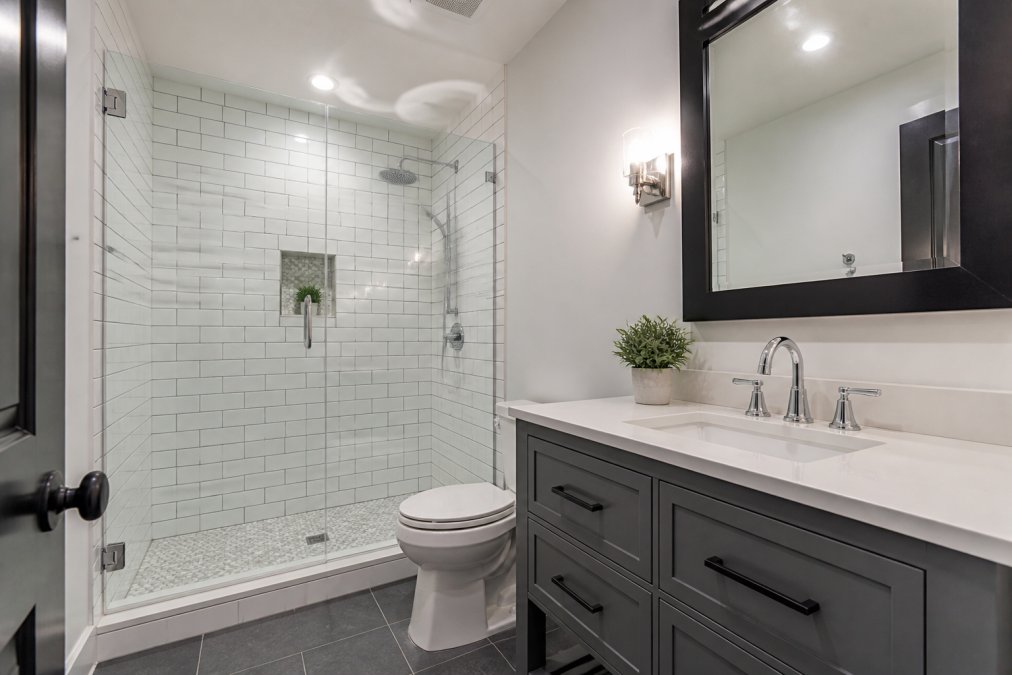
The first phase is design and permitting. A licensed home improvement contractor helps develop plans meeting building codes. Permits typically take 2-4 weeks but protect you (iccsafe.org). Permitted work is inspected to ensure safety standards. Unpermitted work exposes you to liability.
Demolition follows. This is messy and loud. The contractor removes old fixtures, cabinetry, and flooring. This phase reveals surprises: water damage, outdated wiring, structural issues. Budget an additional 10-15% for unexpected issues discovered during demolition (nahb.org).
Installation comes next. New plumbing and electrical lines are run. Walls are framed or modified. Tile, flooring, and cabinetry are installed. This phase typically takes 4-8 weeks for a full kitchen or bathroom remodel.
Final inspections happen before completion. Building inspectors verify plumbing, electrical, and structural work meet code. Only after passing inspection is the project complete.
Expect disruption throughout. A professional contractor minimizes this through careful planning and daily cleanup. Ask about dust containment and cleanup protocols before hiring.
Managing Your Home Improvement Project Timeline
Project delays are the number one source of frustration. A realistic timeline, communicated clearly, prevents most conflicts.
Weather affects exterior work. Interior projects are less weather-dependent but still affected by delivery schedules and permits. A licensed home improvement contractor accounts for these variables.
Communication is critical. Establish regular check-ins. Weekly meetings keep everyone aligned. The contractor should update you on progress, upcoming milestones, and issues affecting the timeline.
Define what "on time" means in your contract. Does the contractor have a specific completion date? What happens if they miss it? Some contracts include penalties for delays or bonuses for early completion.
Prepare for the unexpected. Even with detailed planning, projects encounter surprises. A contractor who anticipated these possibilities and built flexibility into the schedule handles disruptions better.
Your role matters too. Decisions about finishes, colors, and layouts take time. Make decisions promptly. Your responsiveness directly affects the schedule.
Red Flags and How to Avoid Problem Contractors
A contractor wanting a large upfront payment is a red flag. Industry standard is 10-30% down, with the remainder paid as work progresses (consumerreports.org). Demands for 50% or more upfront suggest desperation or fraud.
Vague estimates are another warning. A professional contractor provides detailed written estimates breaking down labor, materials, and timeline. An estimate without itemization is useless.
Pressure to decide quickly is a manipulation tactic. Legitimate contractors have full schedules and don’t need to pressure you. Take time to vet your contractor.
Poor communication predicts disaster. If a contractor is hard to reach or dismissive of questions, that’s how they’ll operate during your project. A professional contractor is responsive and communicative.
Unwillingness to put agreements in writing is a major red flag. Everything should be documented: scope of work, timeline, cost, warranty, payment schedule, and dispute resolution. Verbal agreements are worthless when conflicts arise.
Lack of references or reluctance to provide them suggests poor work or customer satisfaction issues. Any contractor worth hiring has satisfied customers willing to vouch for them.
Conclusion
Hiring a licensed home improvement contractor is one of the most important decisions you’ll make as a homeowner. The verification process takes time, but it protects your home, budget, and peace of mind. Ask the right questions, check credentials thoroughly, and trust your instincts when something feels off.
N. Abeyta Remodels understands the stress of planning a major renovation. Our licensed and insured team manages every detail from permitting and design through final inspection, ensuring clear communication and on-time delivery. We’ve built our reputation on precision craftsmanship and exceeding expectations without shortcuts.
Ready to start your kitchen or bathroom remodel with a contractor you can trust? Contact N. Abeyta Remodels for a free estimate. Our team will walk you through the process, answer your questions, and show you exactly what to expect.
Need A Free Estimate?
The first step is a conversation. Contact N. Abeyta Remodels to discuss your project, ask questions, and receive a detailed estimate with no obligation. Our team is available 24/7 to help you understand your options and move forward with confidence.
Frequently Asked Questions
How do I verify if a contractor is properly licensed and insured?
Request your contractor's license number and verify it through your state's licensing board or contractor regulatory agency. Ask for proof of general liability insurance and workers' compensation coverage, then contact the insurance provider directly to confirm active policies. Licensed and insured contractors are often bonded, meaning you have protection if something goes wrong. Never hire someone who refuses to provide these credentials, it's a major red flag.
What should be included in a home improvement contract?
A solid contract outlines the project scope, timeline, total cost (broken down by phase), payment schedule, and warranty details. It should specify materials, colors, and finishes to avoid confusion. The contract must include start and completion dates, cleanup responsibilities, and what happens if the project runs over budget or timeline. Both you and the contractor should sign and date it. This protects you and sets clear expectations for the entire project.
Why is a project warranty important for home renovations?
A remodeling project warranty explained simply means the contractor guarantees their work for a set period. Warranties typically cover craftsmanship (1-2 years) and materials (varies by product). If something fails or isn't up to standard within the warranty period, the contractor fixes it at no cost. This gives you peace of mind that the contractor stands behind their work and won't disappear after the final payment. Always get warranty terms in writing.
What are the biggest red flags when hiring a home improvement contractor?
Watch for contractors who demand full payment upfront, won't provide references, avoid putting agreements in writing, or pressure you to decide immediately. Contractors who can't show proof of licensing or insurance, quote significantly lower than others, or have no established local presence are risky. If they minimize permit requirements or suggest avoiding them, walk away, building permits exist to protect your home and investment. Trust your instincts if something feels off.
This article was written using GrandRanker